

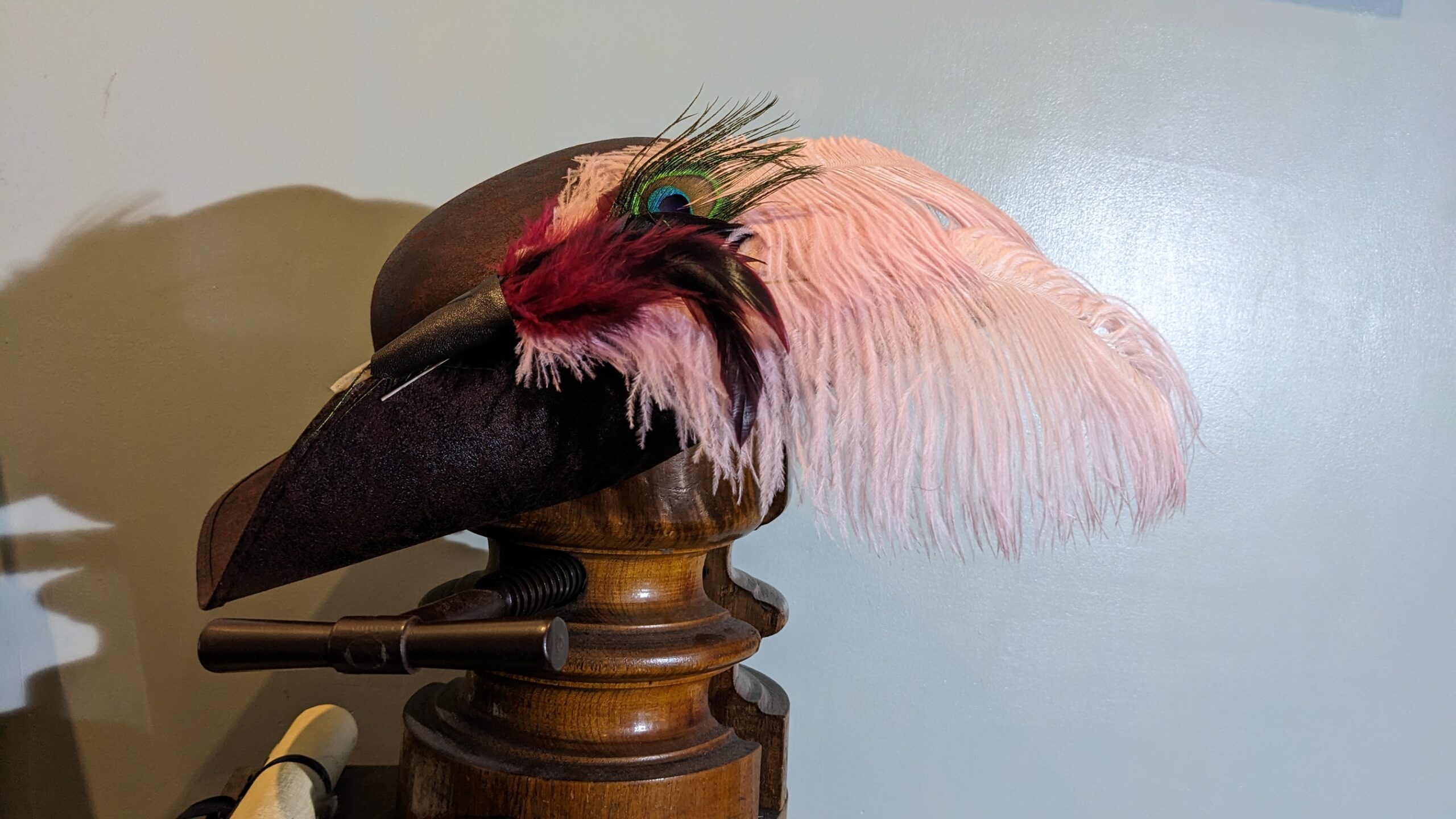
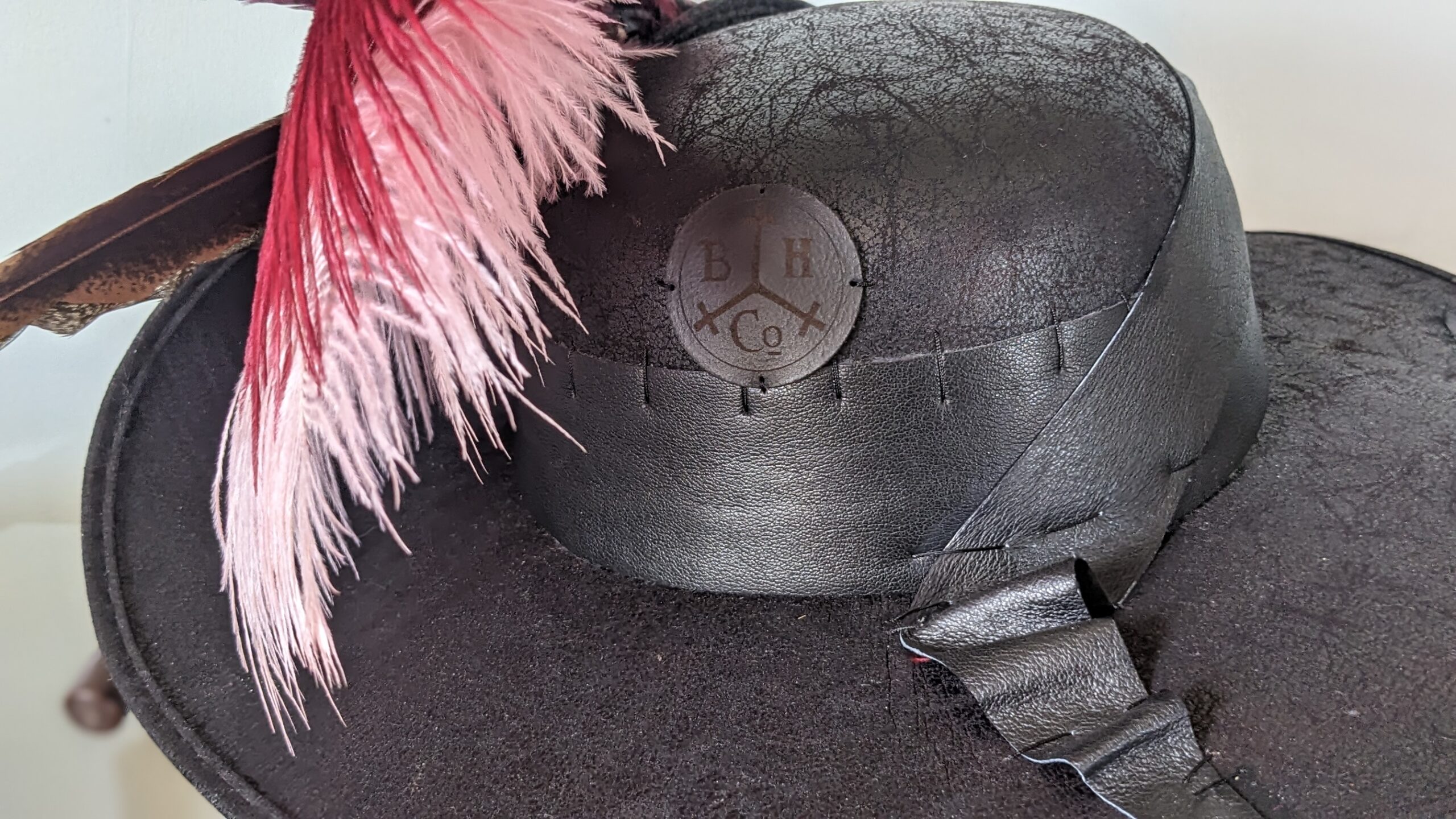
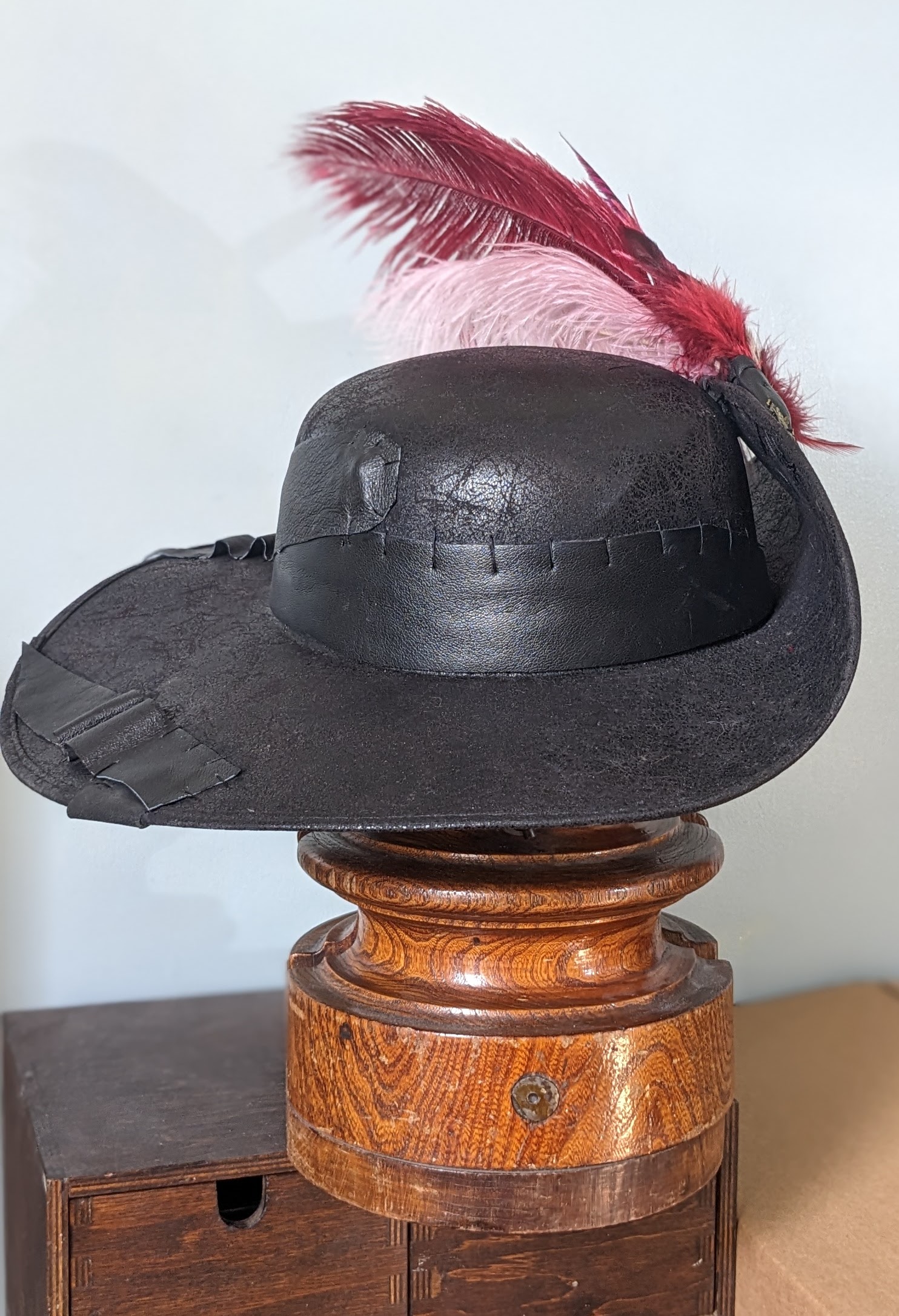

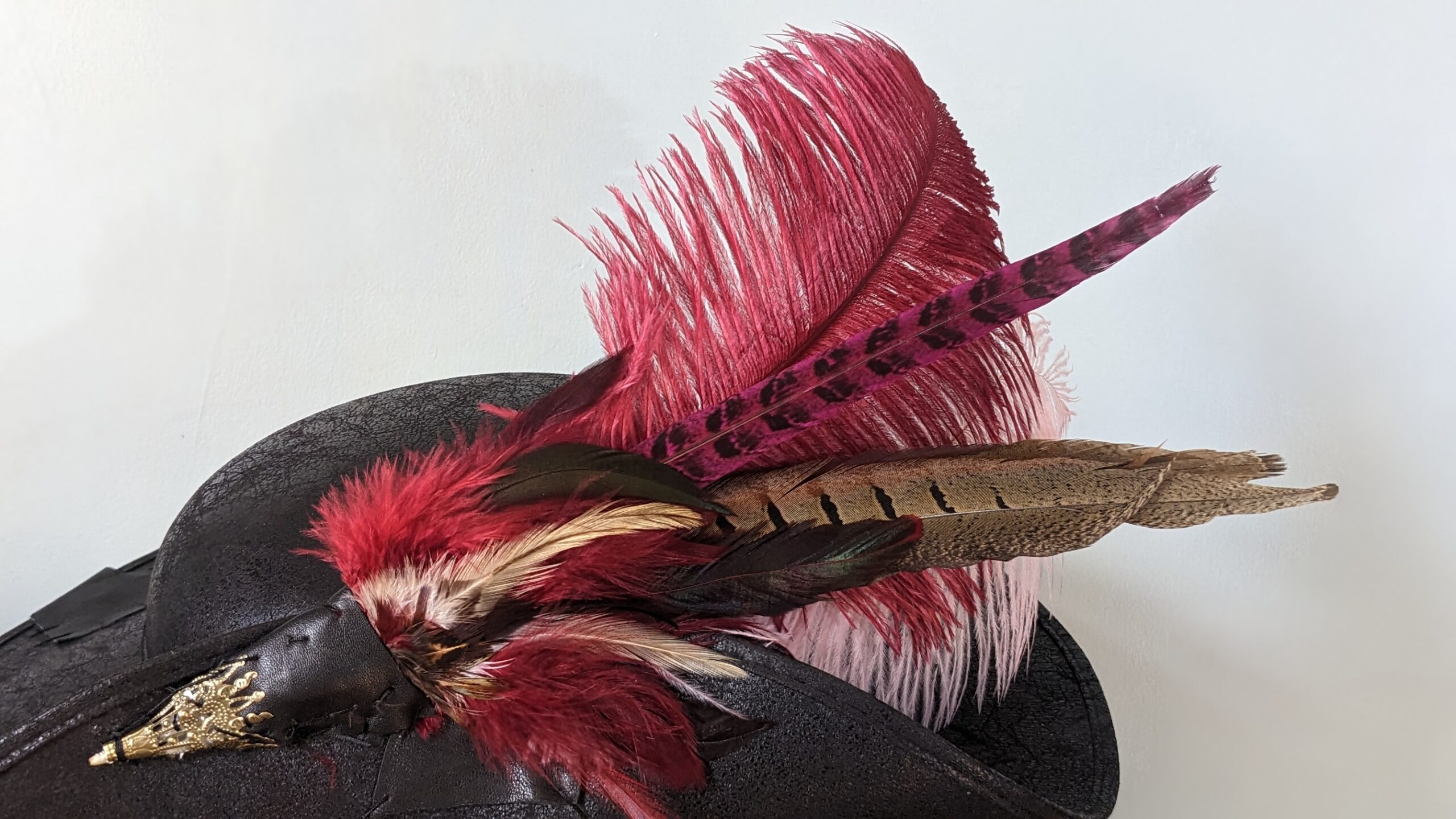

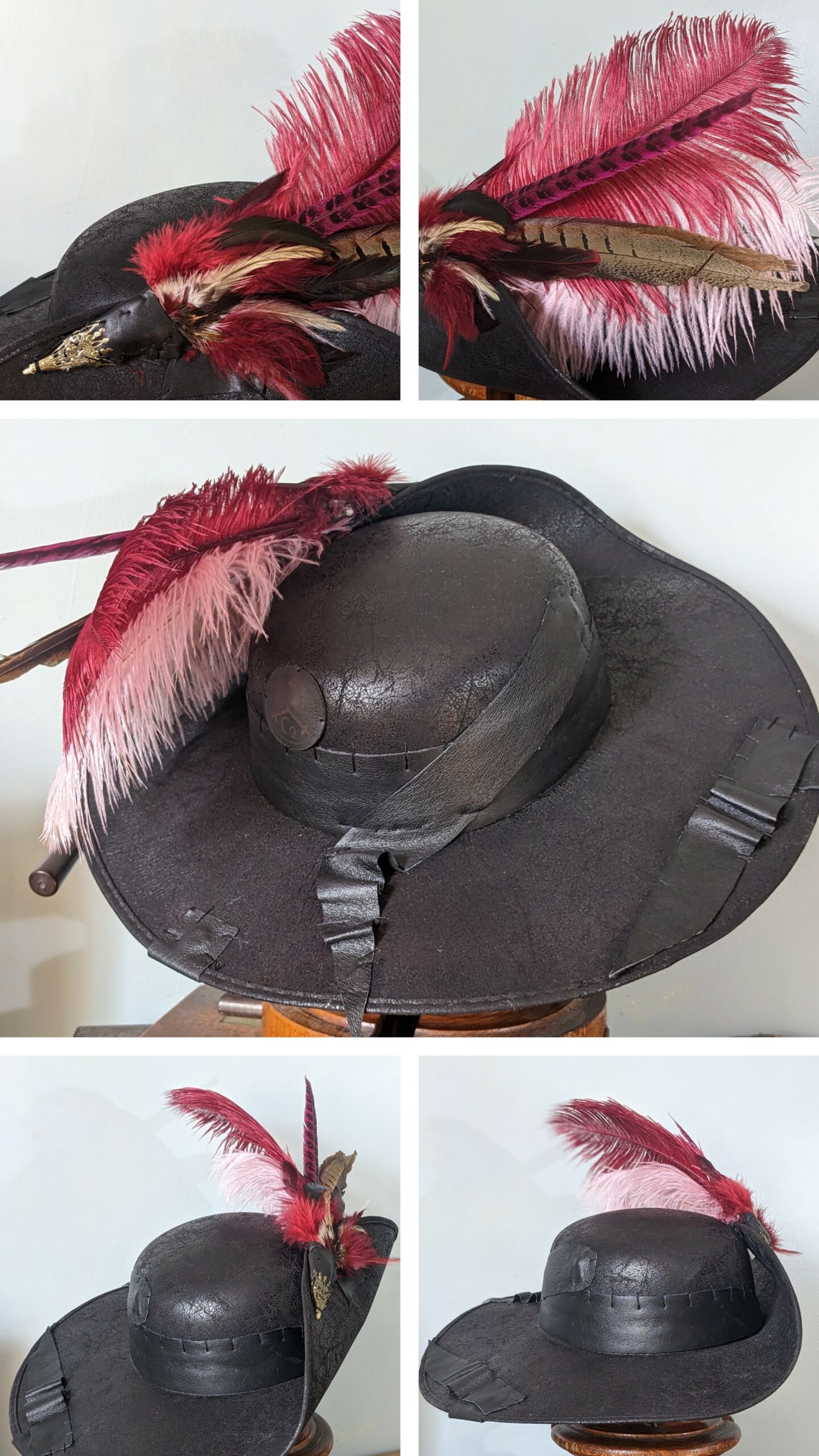
Musketeer of Burgundy Hat – with 4 piece Feather Set. Authentic, Brixham Pirate Festival Style. Cosplay, Party fun.
£115.95
Description
THE BURGUNDY MUSKETEER HAT
Full Pink and White Ostrich feather feather set, with dark pink and Natural Pheasant feathers.
Ideal for Brixham ‘n Hastings Renaissance and Gasparilla Pirate festivals. Steampunk, Historical costume headwear, Cosplay, real stunner, but not over the top.
Great accessible entry level Musketeer and or Pirate hat for festivals, parties, cosplay and historical events. Living history and fun times.
Four feathers -2 white ostrich and two dyed pheasant tail feathers . All sourced from recommended feather dyers.
Due to the use of genuine feathers, there will be slight variation in shape and or colour.
Great value to add that touch of flamboyance to your outfit.
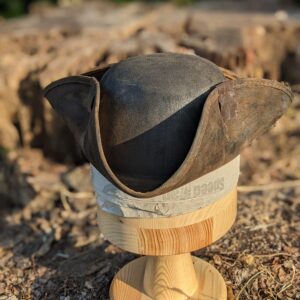
Distressed faux leather. Available in Black or Dark Brown.
Hat Base colour – Please use the message box for your choice
Black or
Dark Brown.
SIZING
CUSTOM SIZES AVAILABLE;
55cm – 21 1/” Small – Custom sizing
56cm – 22″ Small – Custom sizing
57.2cm – 22 1/2″” Medium
58.4cm – 23″ Large
60 cm – 23 5/8″ Standard
61.5 cm – 24 1/4″ X Large
63.5cm – 25″ XXXL – Custom sizing. T
the use of a bandana or hat spacers can assist to secure the fit.
Measure yer skull and add a message to the personalisation section.
The musketeer, a figure of romance and heroism, is inseparable from the image of their distinctive hat. The turned-up brim, while serving practical purposes on the battlefield, also represented the elegance and individuality of these gallant warriors. The legacy of the musketeer and their iconic hat endure, reminding us of a time when honour, bravery, and style converged on the fields of battle and in the courts of kings.
In essence, the musketeer and their hat epitomize the harmonious blend of function and fashion, a testament to the enduring allure of these legendary soldiers. As we look back on their storied history, we can appreciate the musketeer’s contribution to both military innovation and cultural heritage, forever enshrined in the annals of time.
The Gallant Musketeer and the Distinctive Hat – The Art of Elegance and Function
The musketeer, a symbol of chivalry and valour, evokes images of dashing figures clad in fine uniforms, brandishing rapiers with astounding finesse. Originating in the early 17th century, musketeers were elite soldiers skilled in the use of the musket, a firearm that revolutionized warfare during their time. These gallant warriors were not only known for their combat prowess but also for their distinctive attire, which included a broad-brimmed hat with one side turned up. This essay delves into the life of a musketeer and explores the practical and stylistic reasons behind their iconic hat design.
The Life of a Musketeer
Musketeers served as members of the infantry in various European armies, with the French Musketeers of the Guard being the most renowned. Established by King Louis XIII in 1622, the Musketeers of the Guard were initially a small company of soldiers responsible for protecting the king and his palace. Over time, their numbers grew, and they became a prestigious unit known for their bravery and loyalty.
Training and Skills
A musketeer’s training was rigorous, encompassing a wide range of skills essential for battlefield success. Proficiency in the use of the musket was paramount, requiring hours of practice to master the loading, aiming, and firing of the weapon. In addition to their firearm skills, musketeers were adept swordsmen, trained in the art of fencing. The combination of musketry and swordsmanship made them versatile soldiers capable of engaging enemies at both long and short ranges.
Honour and Loyalty
The code of honour was deeply ingrained in the musketeer ethos. Loyalty to their comrades and superiors was paramount, and the bonds formed among musketeers were unbreakable. This sense of loyalty extended to their monarch, whom they served with unwavering devotion. The musketeer’s life was one of discipline, duty, and sacrifice, as they were often called upon to protect their king and country in times of peril.
Uniform and Attire
The musketeer’s uniform was both functional and stylish, designed to provide protection and convey a sense of elegance. The ensemble typically included a doublet, breeches, and a cape, all adorned with elaborate embroidery and insignia. The pièce de resistance of the musketeer’s attire was undoubtedly their hat, a broad-brimmed masterpiece that served multiple purposes.
The Iconic Hat
The musketeer’s hat, often made of felt or leather, featured a wide brim that could be turned up on one side. This distinctive design was not merely a fashion statement but had practical implications as well.
Practical Reasons
The primary reason for turning up one side of the hat was to accommodate the musket. Musketeers needed to shoulder their firearms while maintaining a clear line of sight. The wide brim of the hat could obstruct their vision and hinder their ability to aim accurately. By pinning up one side of the brim, musketeers ensured that their hat did not interfere with their shooting stance, allowing them to engage the enemy effectively.
Additionally, the turned-up brim prevented the hat from being knocked off during combat. In the heat of battle, musketeers often found themselves in close-quarters combat, where maintaining their headgear was essential. The secured brim minimized the risk of losing their hat, which could be a distraction and potentially dangerous in the midst of a skirmish.
Stylish Elegance
Beyond its practical benefits, the turned-up brim of the hat added an element of flair to the musketeer’s appearance. The hat became a symbol of their gallant and dashing persona, embodying the spirit of chivalry and grace. Musketeers took pride in their appearance, and their hat was a key component of their distinguished look.
The brim was often adorned with a plume or feather, adding a touch of sophistication and individuality. These embellishments varied in colour and size, allowing musketeers to express their personal style while adhering to the uniform standards of their regiment. The hat, with its turned-up brim and decorative plume, became a hallmark of the musketeer’s identity, setting them apart from other soldiers on the battlefield.
Legacy and Influence
The image of the musketeer, with their distinctive hat and elegant attire, has endured through the centuries, immortalized in literature, art, and popular culture. The tales of Alexandre Dumas, particularly “The Three Musketeers,” have cemented the musketeer’s place in the annals of history, portraying them as paragons of bravery, loyalty, and wit.
The musketeer’s hat, with its turned-up brim, remains an iconic symbol of their legacy. It serves as a reminder of the practical ingenuity and stylistic flair that defined these elite soldiers. The hat’s design has influenced fashion trends and continues to be celebrated in historical reenactments and costume design.
Conclusion
The musketeer, a figure of romance and heroism, is inseparable from the image of their distinctive hat. The turned-up brim, while serving practical purposes on the battlefield, also represented the elegance and individuality of these gallant warriors. The legacy of the musketeer and their iconic hat endure, reminding us of a time when honour, bravery, and style converged on the fields of battle and in the courts of kings.
In essence, the musketeer and their hat epitomize the harmonious blend of function and fashion, a testament to the enduring allure of these legendary soldiers. As we look back on their storied history, we can appreciate the musketeer’s contribution to both military innovation and cultural heritage, forever enshrined in the annals of time.
Related products
-
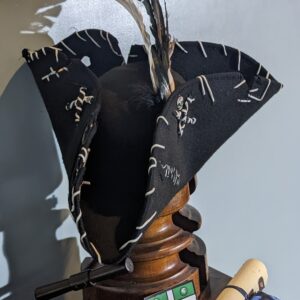
Brazen Pirate Tricorne Hat – Night Walker of the Tides. Extravagant Black Gothic Stylish Brixham Style Eye catcher
£85.45 Add to basket -
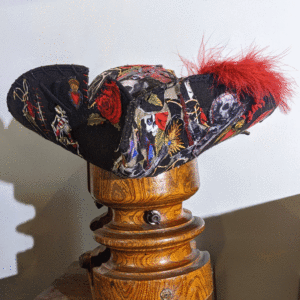
Anachista Piratus Pirate Hat – Brave head gear, Large, Outrageous ready to thrill.
£115.45 Add to basket -
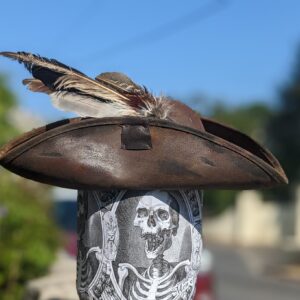
Rural PIRATE Distressed Tricorne HAT with Feather set . Brixham n’ Rene Festival Style. Great value, Authentic Rustic leather look.
£75.75 Add to basket -
Authentic leather look Tricorne – Pirate HAT, Sturdy, crushable, weather resistant, Cosplay n’ Party Fun. Real Pirate stuff
£49.45 Add to basket